
 English
 Deutsch
 Italia
 français
 Español
 Português
 русский
 العربية
 日本語
日本語
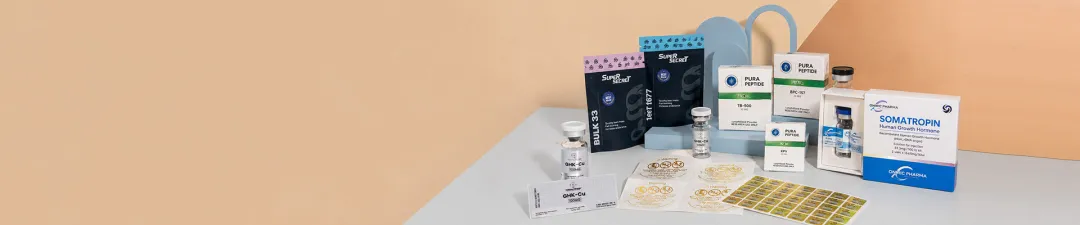

A stand up zipper pouch is a flexible pouch with a gusseted base that lets it stand upright on a shelf, closed with a resealable zip. We supply printed stand up pouches and supplement plastic bags made to your artwork, with free design and free proofing; quotes come back within 24 hours and physical samples in 1–3 business days. If you are a supplement, coffee or cosmetic brand that needs the pouch printed, sized and finished to your product, this is the page to start from. Flexible packaging orders start at 500 pcs.
Why a Stand Up Pouch Replaces a Jar or a Box
A stand up pouch has taken a large share of shelf space from jars and cartons, and there are three practical reasons.
It uses less material. A pouch that holds the same volume as a jar weighs a fraction of it, so freight cost per unit is lower. For an export shipment that runs to thousands of units, that difference is measurable.
It stores flat before it is filled. Pouches ship knocked down and take up a fraction of the warehouse space of an empty jar, so a brand can hold packaging stock without renting a second unit.
It reseals. A zip closure means the customer can open the pack, take a dose and close it again, which matters for a product used over weeks rather than in one sitting. That single feature is why the supplement plastic bag has moved from a plain bag to a stand up pouch with a zip.
The trade-off is rigidity and presentation. A pouch does not hold a rigid shape, so a product that must arrive upright or protected inside a rigid container still needs a carton or a tray. Many brands solve this by packing the pouch inside a printed carton, which gives the shelf presence of a box and the material saving of a pouch.
Supplement Plastic Bag: Barrier, Reseal and Shelf Presence
A supplement plastic bag is judged on three things, and the film has to deliver all of them.
Barrier. A supplement powder or capsule is sensitive to moisture, oxygen and light. A single clear film is enough for a short shelf life in a dry product, but a longer life or a humid destination calls for a metallised or high-barrier laminate. Tell us the shelf-life target and the storage conditions and we will propose a laminate rather than a single film.
Reseal. A zip that stops sealing after a few uses is the most common complaint on a supplement pouch. The zip has to suit the fill weight and the opening width, and on a wide pouch a press-to-close zip behaves differently from a slider zip. If the pouch will be opened daily, tell us, and we will specify a zip for that duty rather than the cheapest option.
Shelf presence. A pouch is a soft, curved surface, so print has to work around the curve and the gusset. A design that reads well as a flat image can lose its edges on a filled pouch. We proof on the dieline and recommend keeping type away from the gusset folds.
None of this requires us to touch the product. We are a packaging supplier, not a supplement or pharmaceutical manufacturer — we supply the printed outer packaging that goes around it.
Stand Up Pouch, Flat Bottom and Spouted Formats
The stand up pouch is one of three common flexible formats, and the choice follows from the product and the shelf.
A stand up pouch has a gusseted base that unfolds when the pouch is filled, so it stands on a shelf. It is the standard format for a powder, a granule or a coffee, and it is available with or without a zip.
A flat-bottom pouch has a rectangular base rather than a single folded gusset, which gives it a squarer, box-like footprint and a more rigid stance. It uses more film than a stand up pouch but presents a wider front panel, which some brands prefer when the front panel carries the whole design.
A spouted pouch adds a fitment — a spout with a cap — for a liquid or a pourable product. It is used for a sauce, a liquid supplement or a concentrate, and it needs a different fill and seal setup from a dry product.
Which format suits your product depends on the fill, the fill weight and how the customer uses the pack. Send us those three and we will recommend a format rather than start from a template.
Materials, Printing and Finishing for Zipper Pouch Packaging
Zipper pouch packaging follows the same material logic as a sachet, scaled up.
PET and PE structures are the base: a PET outer layer for a printable, strong surface and a PE inner layer for the heat seal and moisture resistance. It is the usual choice for a dry product that does not need a high barrier.
Metallised film adds a barrier against light, oxygen and moisture and gives a silver, reflective surface. It is common for supplement and coffee pouches, where the product has a shelf life to protect.
Aluminium foil laminates give the highest barrier and are used for a product that is genuinely sensitive or that has a long shelf life. They are stiffer and noisier in the hand, which is a consideration for a premium brand.
Kraft-look paper laminates are chosen for a natural, matte surface and a paper feel. The barrier is lower than a metallised structure, so they suit a dry product with a shorter life.
Print is normally flexographic for a longer run or digital for a shorter one. Matte or gloss varnish and a registered matte or gloss lacquer are the practical finishes on film. A metallic look comes from metallised film rather than from hot foil, because foil and emboss are card and carton processes. Where a pouch sits inside a printed carton, the carton can carry the foil and the emboss while the pouch carries the print.
Minimums and How a Zipper Pouch Order Runs
Tell us the pouch size, the format and the film you have in mind and we will confirm the minimum with your quote. Our printed cartons, cards and plastic trays start at 100 pcs and our labels start at 1,000 pcs, and the setup for a pouch run depends on the size, the film and the print method.
The sequence for a first order:
- Send the fill weight or volume, the product type and the quantity.
- We return a quote within 24 hours, with a format, a size and a film recommendation.
- Free design and proofing. Send artwork and we place it on the dieline and return a proof; if you have only a logo, we propose one to three layouts, normally within two to three days.
- Physical sample in 1–3 business days, so you can check the stance, the zip and the print on a filled pouch.
- Bulk production after sample approval, behind four quality gates: incoming material, first article, in-process random sampling and final AQL inspection with defects isolated.
- Delivery by sea, air or express to the regions we serve. Payment by T/T with a 30–50% deposit.
FAQ
What is the difference between a stand up pouch and a supplement plastic bag?
They can be the same product. A stand up pouch is a pouch with a gusseted base that stands upright; a supplement plastic bag often means the same pouch with a zip, chosen for a powder or capsule supplement.
Why choose a stand up zipper pouch instead of a jar?
A pouch uses less material and far less warehouse space before filling, and it costs less to ship per unit. A jar still wins where the product needs a rigid container or a longer barrier life.
What film should I choose for a supplement pouch?
It depends on the shelf life and the destination. PET and PE suit a dry product with a short life; metallised film or an aluminium foil laminate suits a longer life or a humid climate.
Can you print a zipper pouch in my artwork?
Yes. Pouches are normally printed flexographically for a longer run or digitally for a shorter one. Send artwork and we will return a proof on the dieline, keeping type clear of the gusset folds.
Can a pouch use hot foil or embossing?
No — foil and emboss are card and carton processes. On film, a metallic look comes from metallised film, and the practical finishes are matte or gloss varnish and a registered lacquer.
What is the minimum order?
Tell us the size, format and film and we will confirm the minimum with your quote. Our printed cartons, cards and plastic trays start at 100 pcs and labels start at 1,000 pcs.
Start a stand up zipper pouch project — send the fill weight, the product type and your target quantity, and you will have a format recommendation and a price within 24 hours. Free design and free proofing included; samples in 1–3 business days.
