
 English
 Deutsch
 Italia
 français
 Español
 Português
 русский
 العربية
 日本語


No. 118 Changxing Road, Xiaojiang Town, Pingyang County, Wenzhou City, Zhejiang Province, China
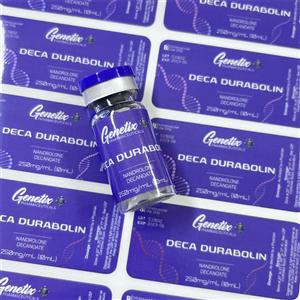
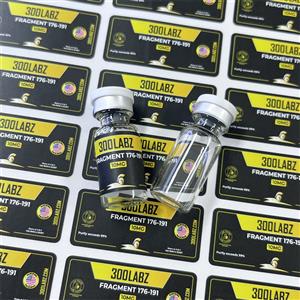
Vial Label Materials
Vial label materials: which stock and adhesive to choose
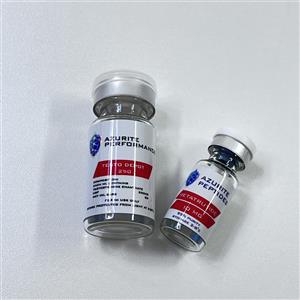
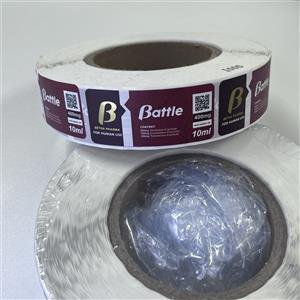
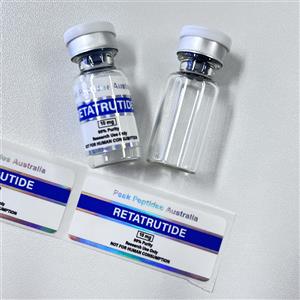
Most vial label failures are material failures, not print failures. The label lifts at the seam, cockles in the fridge, or the print rubs off after a wipe. This page sets out the stocks and adhesives we keep for 2ml to 10ml vials and what each one is actually good for.
Paper or film
Coated paper prints beautifully and costs least, but it is not waterproof: it takes up moisture, cockles, and tears at the wrap seam. It is the right choice only for dry, indoor storage. Film — BOPP, PET, PE — costs more per label and survives handling, wiping and cold. For a vial that leaves a warehouse, film is the default.
BOPP
White BOPP is the workhorse: bright white face, waterproof, good for six-point dark type, and it takes gloss or matte lamination well. Clear BOPP gives the no-label look on amber glass. It is thinner and more conformable than PET, which helps on tight diameters.
PET
PET is stiffer and more chemically resistant than BOPP, so it is specified where the label meets alcohol, oil or repeated wiping. Clear PET is the usual no-label option on glass. The trade-off is conformability: on a very small diameter, a stiffer film needs a careful wrap allowance or it lifts at the edges.
Metallised and holographic
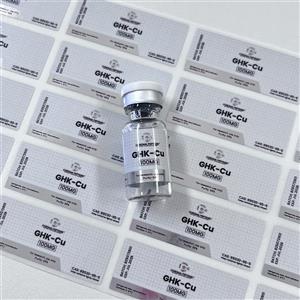
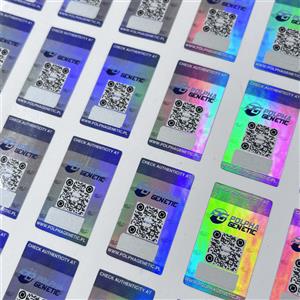
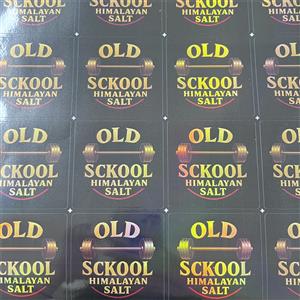
Silver PET is opaque, hiding the vial and its contents, and gives a metallic base for dark print. Laser silver holographic throws a shifting rainbow reflection that is hard to reproduce on a desktop printer. Matte silver scatters light instead of reflecting it, which keeps small type and barcodes readable under an inspection lamp. On all three, inks print differently than on white stock, so the proof is made on the final material.
PE for cold storage
Milky white PE stays flexible below freezing, so the label follows the vial as it contracts instead of lifting. It is paired with a freezer-grade acrylic adhesive rated to about minus 20 C. Using a general-purpose adhesive on a cold, wet vial is the single most common cause of labels sliding off in a cold chain.
Synthetic paper and kraft
Synthetic paper is a PP-based sheet that prints like paper and resists water and tearing: a good middle option when clear film is too invisible and BOPP too glossy. Natural kraft is uncoated and warm-brown, suited to supplement and wellness vials, but it is not waterproof and is the wrong choice for a wiped or chilled product.
Adhesive
Permanent acrylic is the default. Removable is used where a label has to be lifted for inspection. Freezer-grade holds on cold, damp glass. Void and tamper-evident adhesives leave a visible pattern or message if the label is peeled, which is a security decision rather than a functional one.
How to decide
Start with the environment: dry, wiped, or cold. That single answer removes most of the list. Then decide appearance — white, clear, metallic or kraft — and only then discuss finishing. Choosing a finish first and a stock afterwards is how labels end up failing in the field.
Ordering
All stocks above are printed from 100 pcs. Free design with one to three options in two to three working days, samples in one to three business days, bulk seven to fifteen working days, quote within 24 hours.
Related
All vial and peptide labels
Vial label printing guide
3ml vial label sizing guide
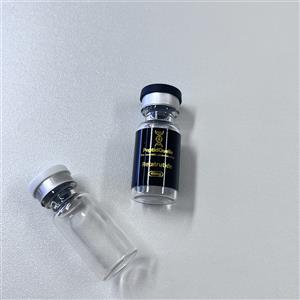
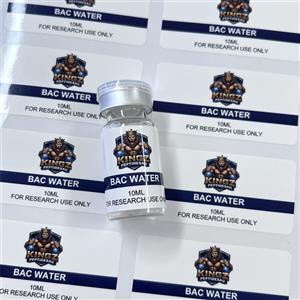
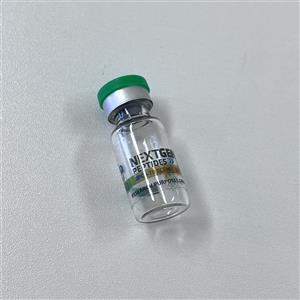
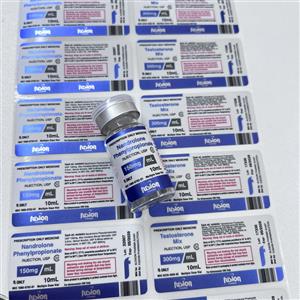
Production Process
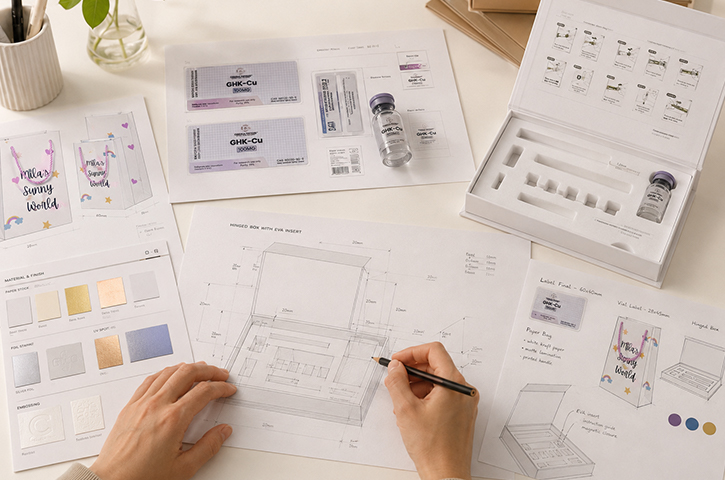
Client provides design files (AI/CDR/PDF) or design brief
Our design team can create designs from scratch if needed (free of charge)
Confirm dimensions, materials, and finishing options (hot stamping, UV coating, lamination, embossing, etc.)
Final design proof approval
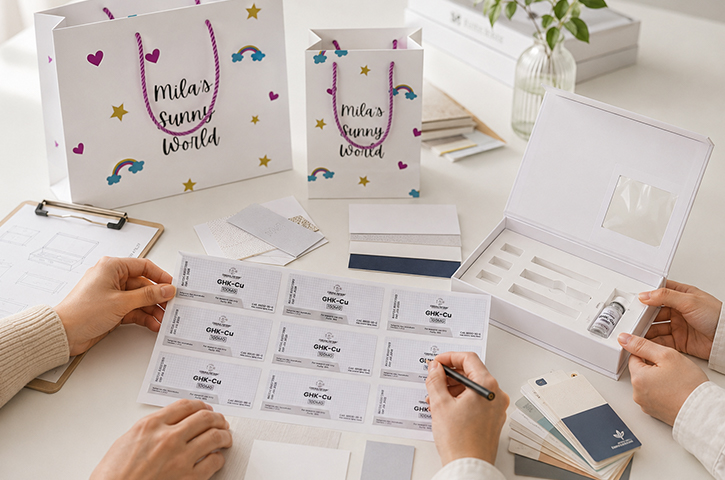
Produce physical samples based on approved designs
Client reviews samples for material feel, color accuracy, and finishing details
Adjustments made as needed until client satisfaction
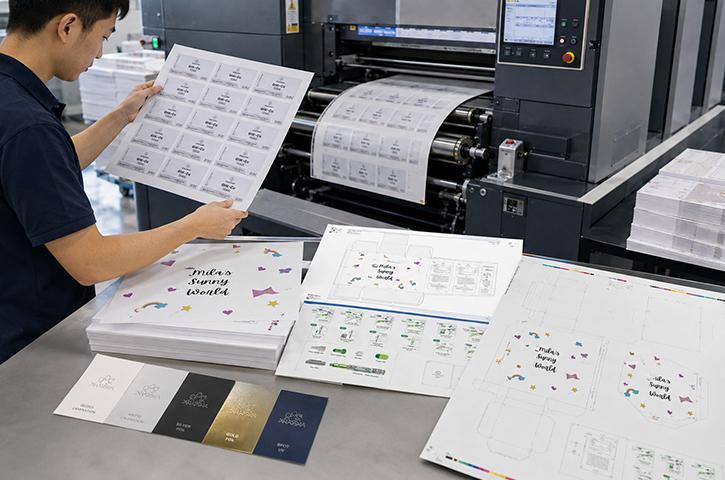
Raw material procurement and inspection
Printing (offset/flexo/screen/digital, selected by product type)
Surface finishing (lamination, varnishing, hot foil stamping, UV, etc.)
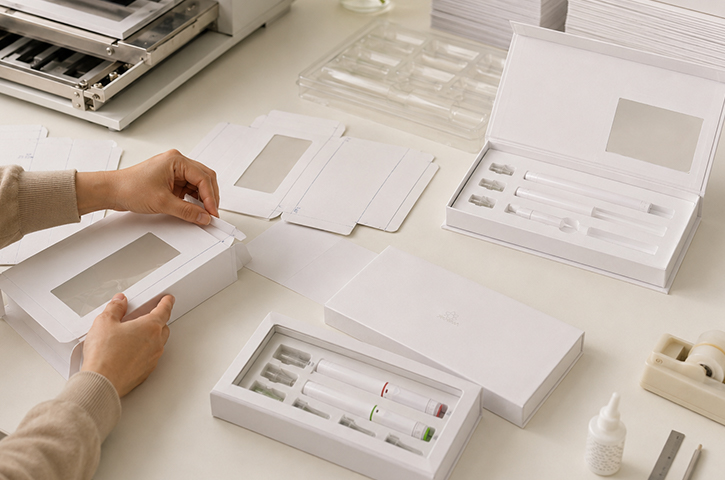
Die-cutting, creasing, and scoring
Box gluing, window patching, rope threading (for boxes)
Die-cutting and waste removal (for labels)
Thermoforming (for plastic trays)
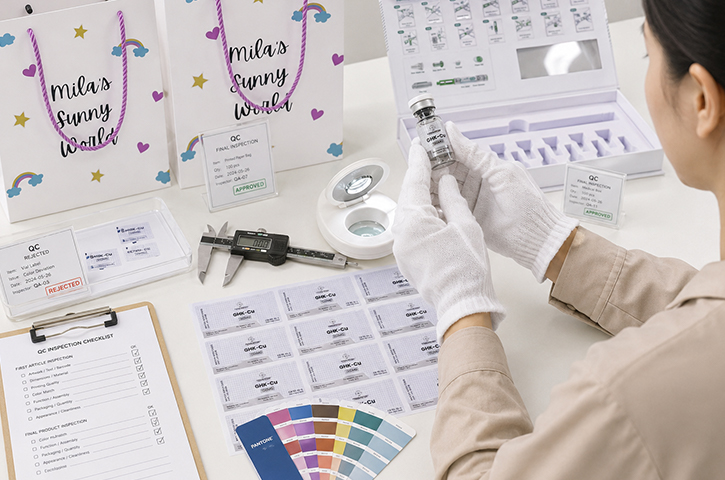
First-article inspection: verify quality before mass production
In-process random sampling
Final inspection per AQL standards
Non-conforming products isolated and handled
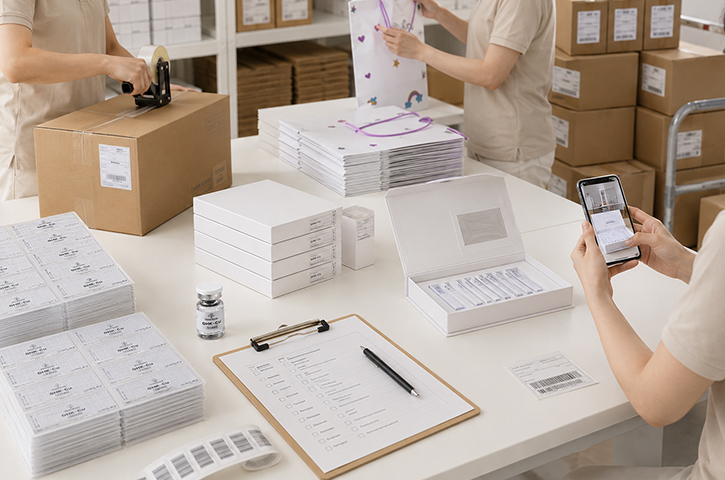
Inner and outer packaging per client specifications
Labeling and carton packing
Photo documentation
Logistics arrangement and shipment
