
 English
 Deutsch
 Italia
 français
 Español
 Português
 русский
 العربية
 日本語

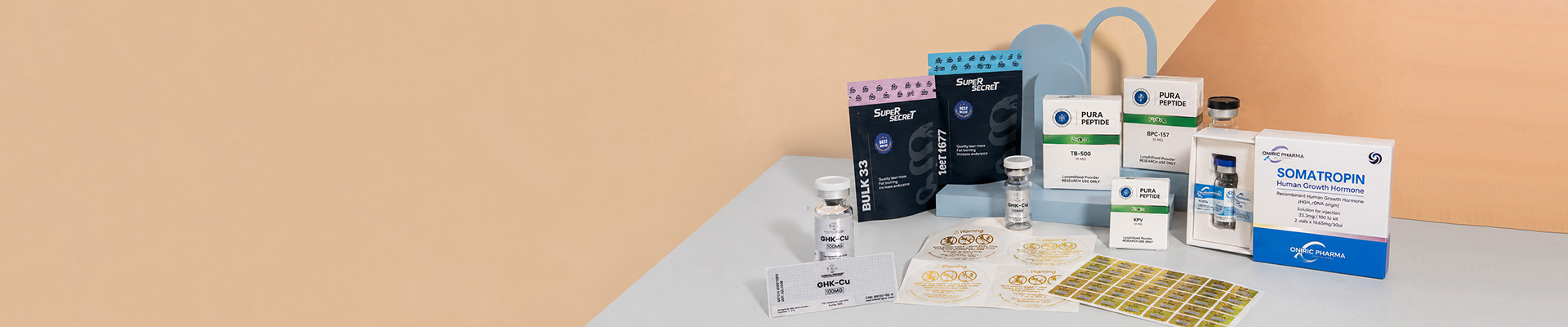

What file formats do you accept?
Send artwork in AI, CDR or PDF. Together with the file, tell us:
- dimensions (length × width × height)
- material preference
- finishing requirements — hot stamping, UV coating, lamination, embossing and so on
- order quantity
If you do not have artwork yet, send a design brief instead: reference designs, logo files and copy are enough to start.
Do you create the design and the structure?
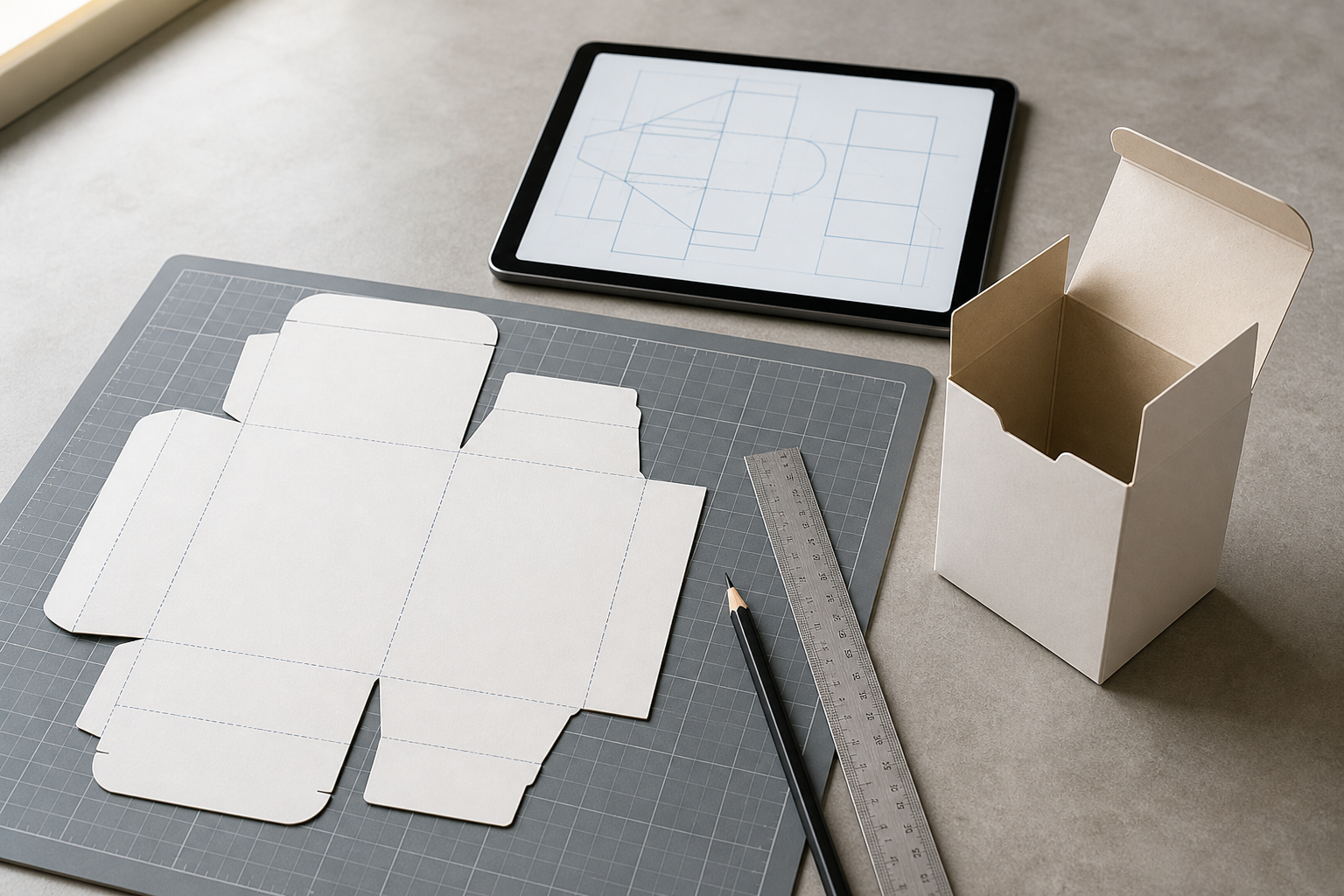
Yes. We provide professionally engineered structural design for all paper packaging, free of charge. That includes the box structure and the dieline — the flat cutting and creasing layout the box is made from.
Two routes we support:
- You already have a dieline — send it and we will check it against your material, thickness and finishing before sampling.
- You do not have one — our design team develops the structure, issues the dieline and prepares the print-ready file.
What is a dieline and why does it matter?
A dieline is the technical drawing that defines where the board is cut, creased and folded. It decides how the finished box closes, how it protects the product and how it prints. An inaccurate dieline shows up as a misfitting lid, a weak corner or a crooked print — which is why we confirm the structure before sampling, not after.
Design timeline
| Stage | Typical time |
|---|---|
| Initial design drafts (1–3 options) | 2–3 business days |
| Free revisions | typically 2–3 rounds |
| Physical sample | 1–3 business days |
| Mass production | 7–15 business days |
Checklist before you send files
- Artwork in AI / CDR / PDF, with fonts outlined or embedded
- Correct dimensions, including any bleed
- Material and board thickness
- Finishing list, and where each finish applies
- Quantity, deadline and destination country
Contact: ying@fly-print.com | WhatsApp +86 13600681558
FAQ
Q1. What file formats do you accept?
A. AI, CDR or PDF. Send the artwork with dimensions, material preference, finishing requirements and order quantity.
Q2. Can you create the design if I do not have artwork?
A. Yes. Our design team can create the design from scratch, free of charge. Reference designs, logo files and copy are enough to start.
Q3. Do you provide a dieline for my box?
A. Yes. We provide professionally engineered structural design for all paper packaging, including the dieline. If you already have a dieline, we check it against your material, thickness and finishing before sampling.
Q4. What exactly is a dieline?
A. It is the flat technical drawing that defines where the board is cut, creased and folded. It determines how the finished box closes, how it protects the product and how the print is positioned.
Q5. Which finishing options are available?
A. Hot foil stamping, UV coating, lamination, varnishing and embossing are available, selected according to the product type.
Q6. How long does the design stage take?
A. We deliver 1–3 design options within 2–3 business days, with typically 2–3 rounds of free revisions.
What image resolution do I need?
300 dpi at final print size for photographs and raster images. Resolution measured at a smaller working size is not equivalent: an image at 300 dpi on a 10 cm layout becomes roughly 150 dpi if the layout doubles. Check the effective resolution, not the file's nominal value.
Do you need bleed and crop marks?
Yes — include bleed on every side and trim marks. Bleed prevents a white hairline at the trimmed edge if cutting shifts slightly, which is normal on any cutting process. Artwork built exactly to the trim size will show white edges on some units.
Should text be outlined?
Outline fonts in the supplied file, or embed them fully in the PDF. Outlining prevents font substitution, and it also removes any question about font licensing for production. Keep an editable copy on your side for future revisions.
What colour mode should I use — RGB or CMYK?
Convert to CMYK before supplying, and check the result. RGB files carry colours that cannot be reproduced in CMYK, so the printed output will look duller than your screen. Preview in CMYK mode, not in your design tool's default screen view.
Can you print Pantone colours?
Yes, for spot-colour work — and it is the correct route when a brand colour must be consistent across substrates and batches. Note that a Pantone match on kraft or recycled board will not look identical to the same ink on coated white stock. Approve a physical sample for brand-critical colour.
How do I handle white ink and spot colours?
White ink is a separate plate, not the absence of ink. If your design needs white text or a white panel on a dark or kraft substrate, it must be supplied as its own spot colour layer and named clearly (for example "White"). See white vs kraft boxes for why this affects cost.
Related reading: custom printed paper boxes, sampling and proofing, shipping and production lead time.
