
 English
 Deutsch
 Italia
 français
 Español
 Português
 русский
 العربية
 日本語


No. 118 Changxing Road, Xiaojiang Town, Pingyang County, Wenzhou City, Zhejiang Province, China
Boxes
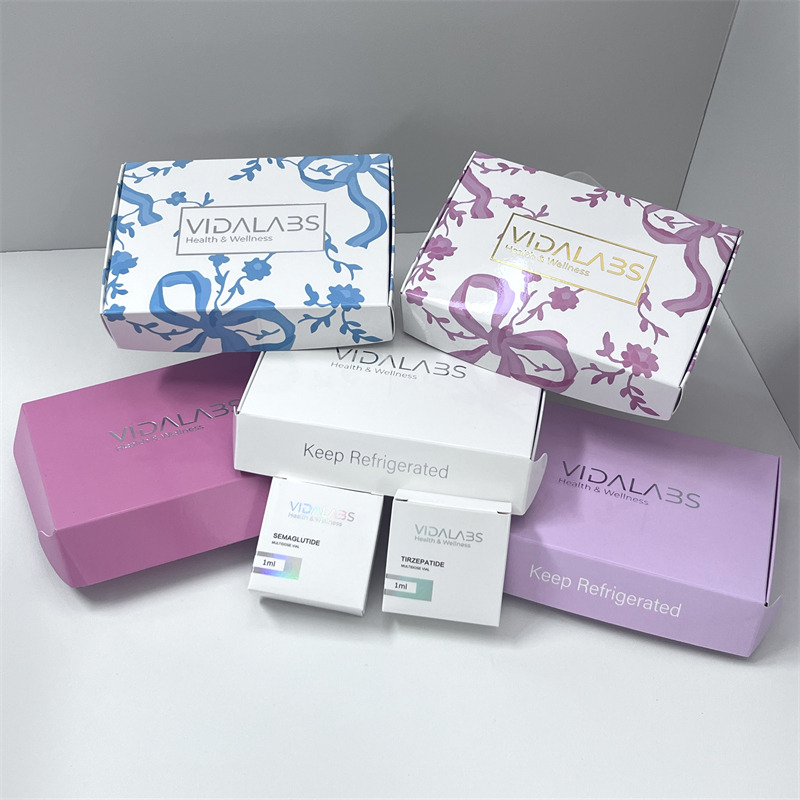
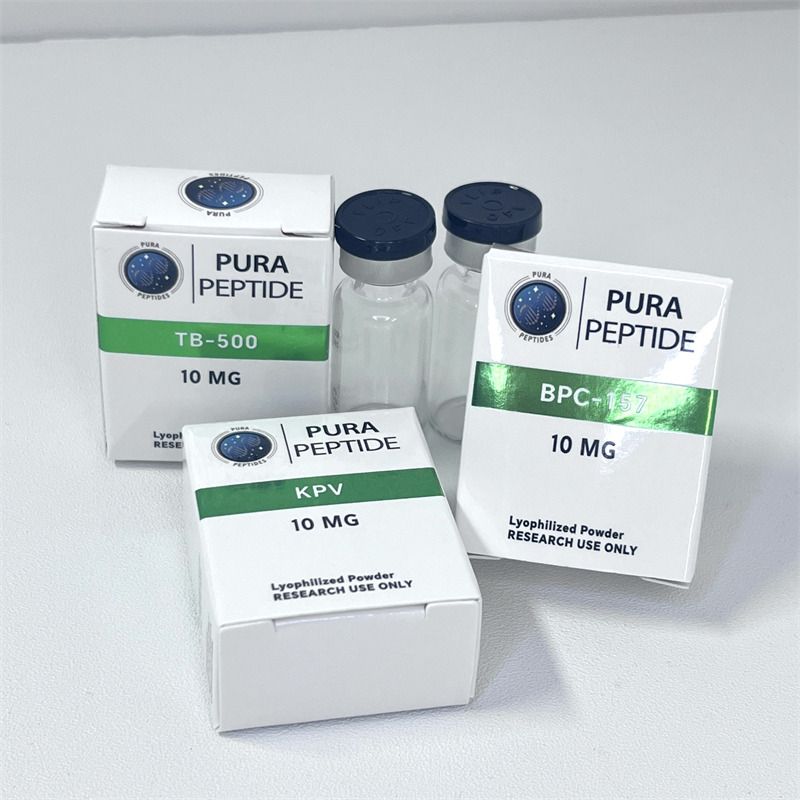
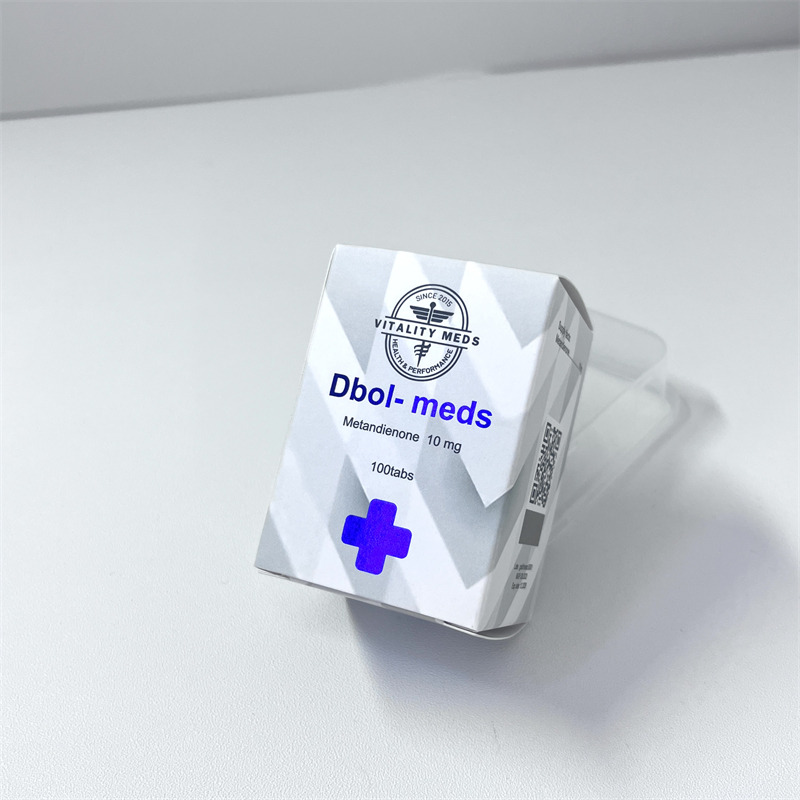
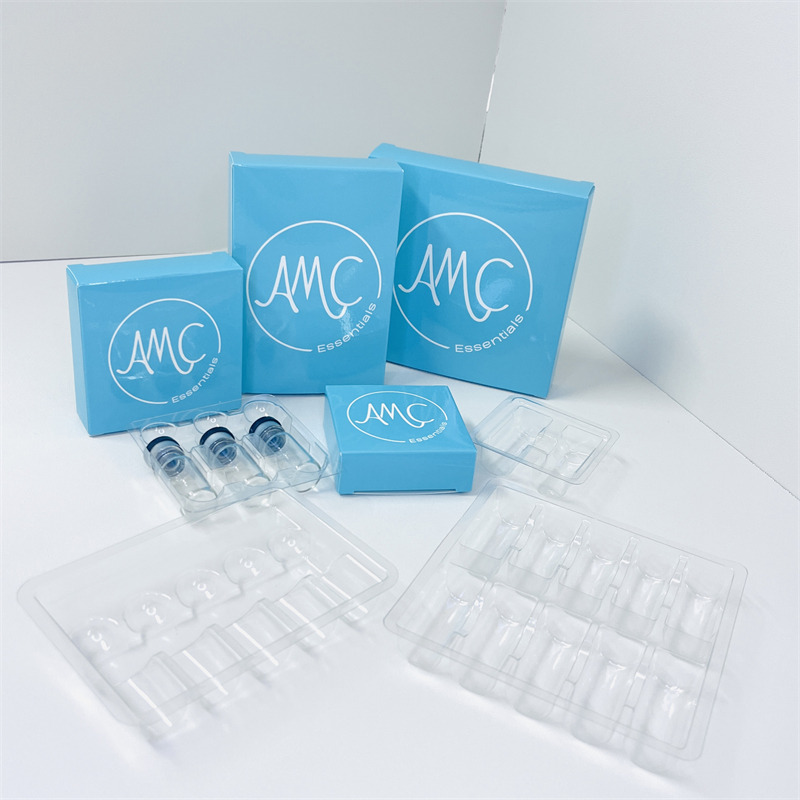
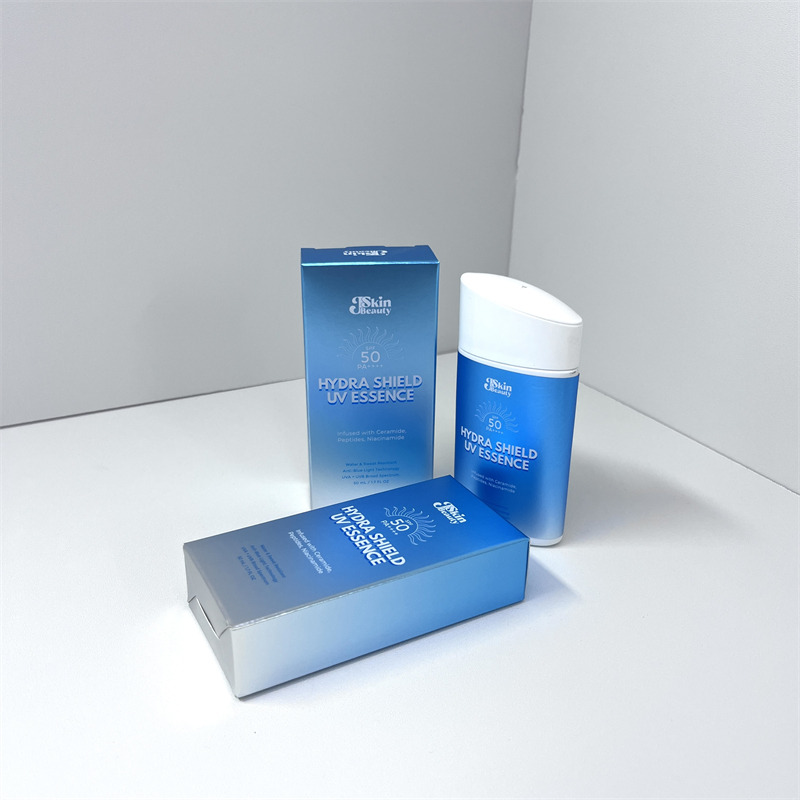
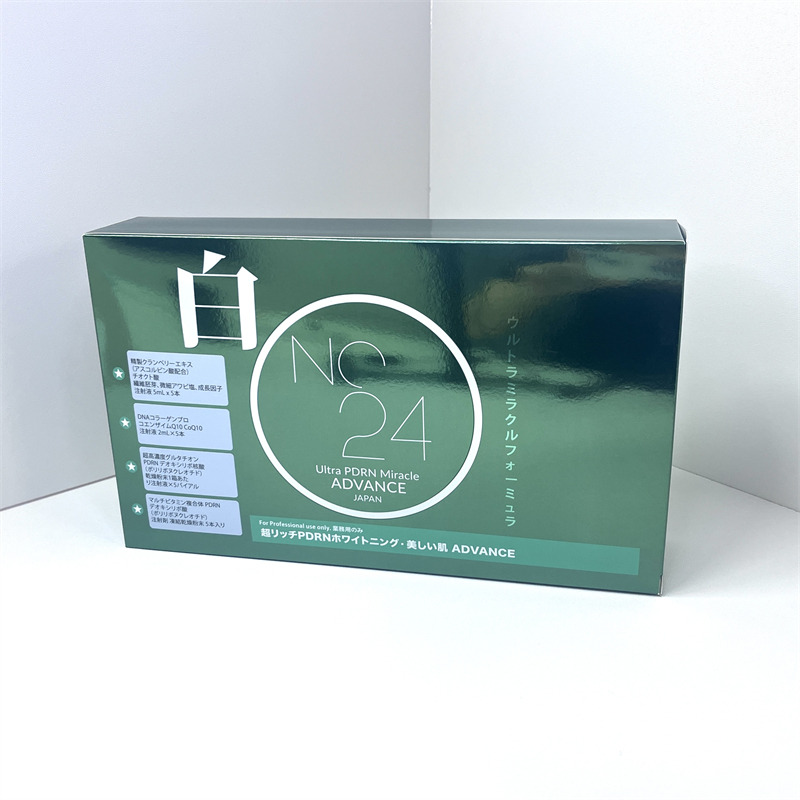
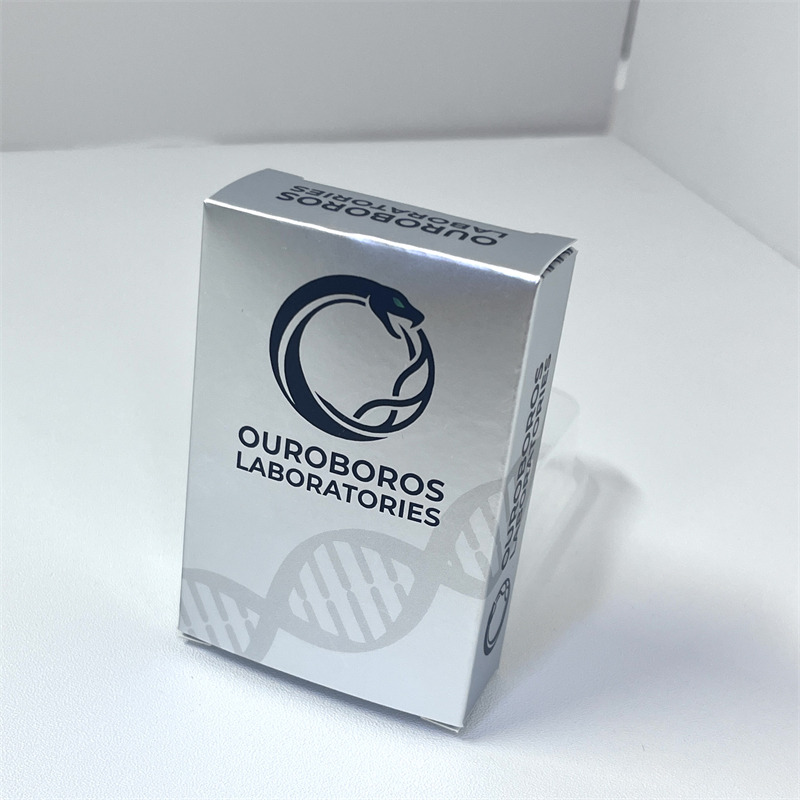
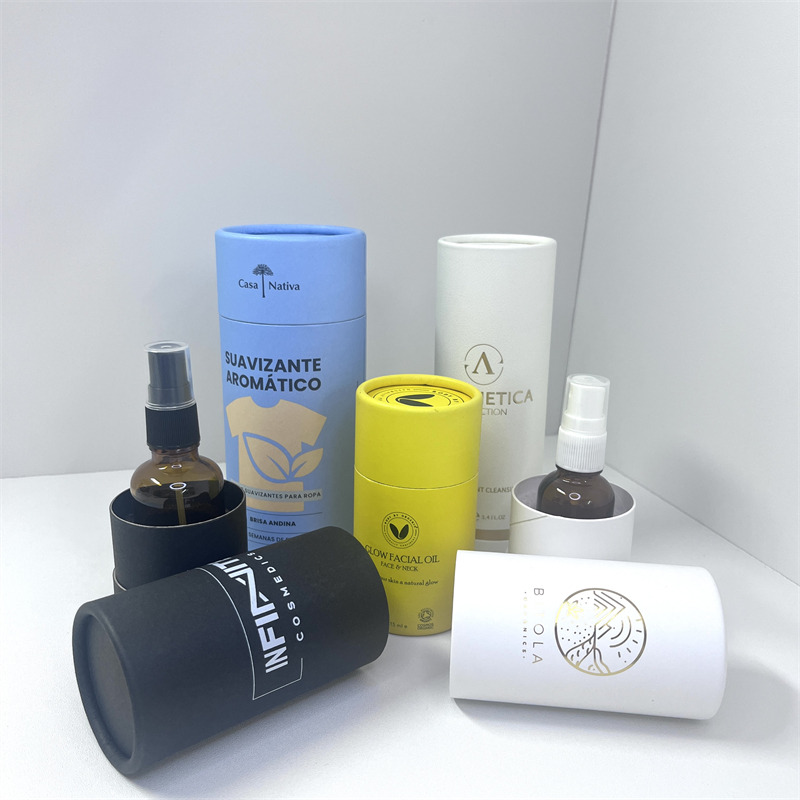
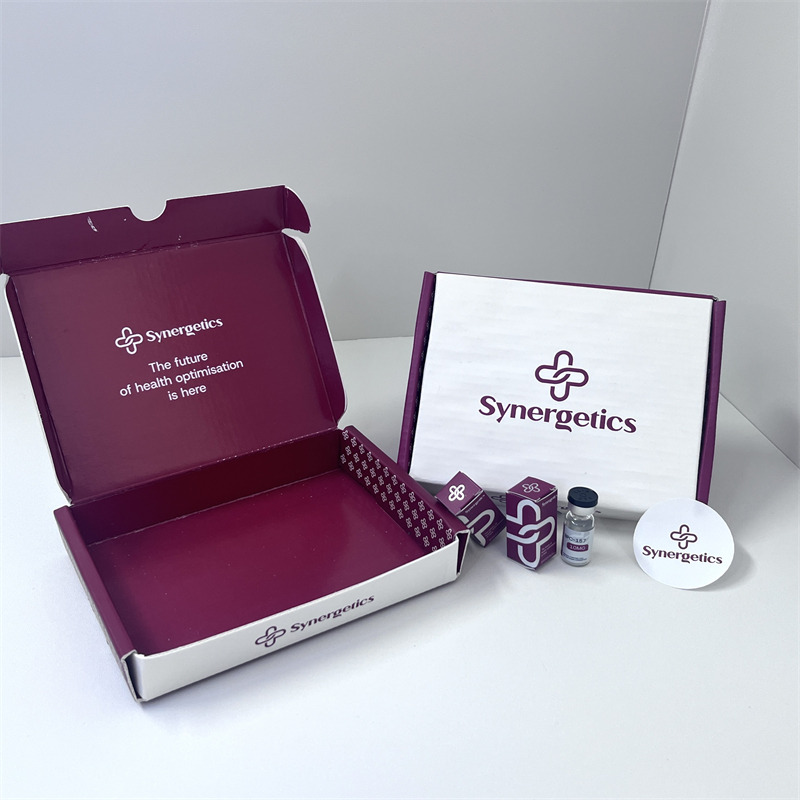
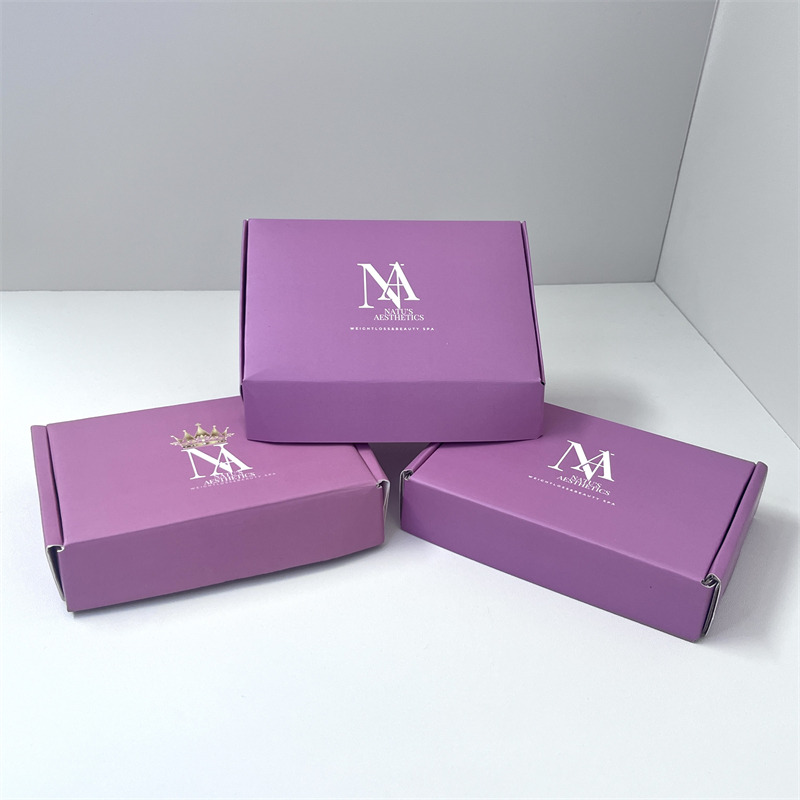
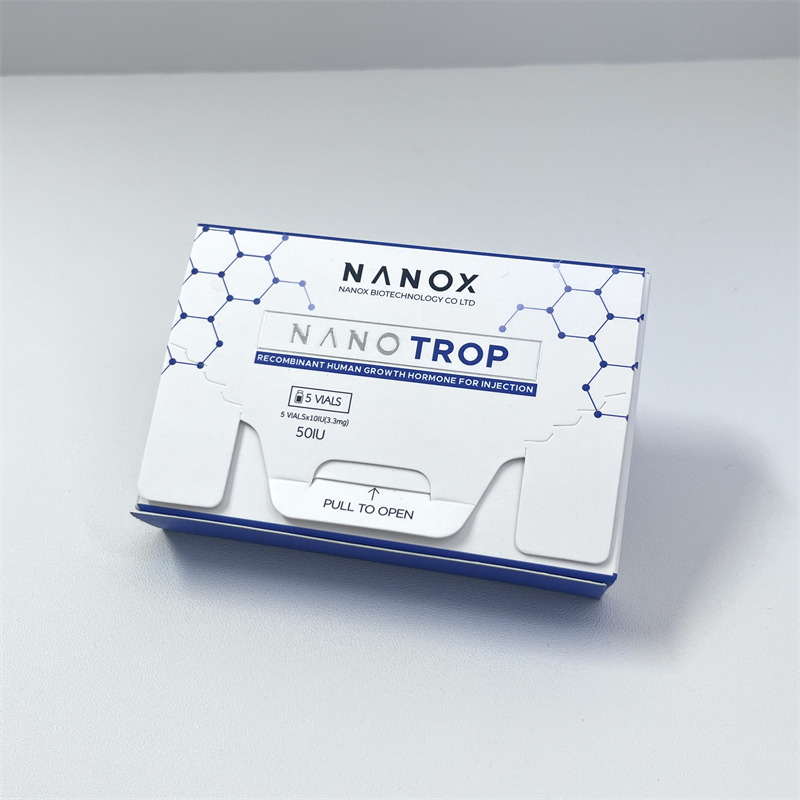
Custom printed boxes, built around what happens after the box is filled. A box that photographs well but crushes in a courier's van is not a good box. Everything below is how we specify, sample and check a folding carton or rigid box so that the third thing — the one that arrives intact — is the normal outcome, not the lucky one.
How to choose the right box for your product
Start from three questions, in this order. How does it ship? If the box travels as the outer pack, it needs board stiffness and a glued structure that survives handling. If it sits inside a shipping carton and only meets the customer at unboxing, weight can come down. How is it displayed? Shelf or e-commerce photography changes the finish — matte reads calm and premium, gloss lifts colour but shows fingerprints. What has to happen after opening? A box that is reopened for refills needs a different closure than one that is opened once.
Answer those and the structure is mostly decided: a folding carton for volume and flat shipping, a rigid box when the pack has to survive the courier or carry a heavier insert.
Board, structure and finishing
Folding cartons are usually 250–400 gsm grey-back or white-back board, wrapped or printed direct. Rigid boxes use 1.5–3 mm grey board with a 128–157 gsm wrap. Thicker board is not automatically better — past a point it cracks on tight folds, and a 300 gsm sheet on a 3 mm fold is where you start seeing splitting on the spine.
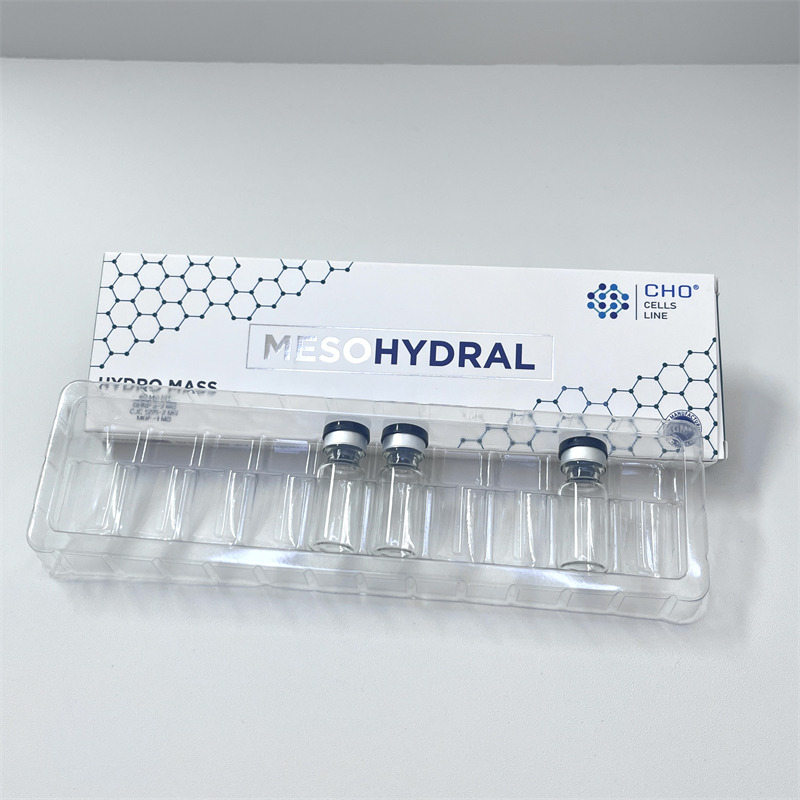
Finishing is where a box stops looking generic: hot foil stamping presses metal into the sheet, spot UV puts gloss on a matte field, embossing raises a relief you feel before you read. All three can sit on one box; the usual limit is the artwork, not the machine. Window patching adds a die-cut opening with film — but the window has to be placed before the die is cut, and the film gauge has to match the gluer, or the box will not close flat.
Specifications and minimum order quantity
We publish the starting points rather than quoting them per enquiry, because they come from the machines:
- MOQ: from 100 pcs for paper boxes, cards and plastic trays; 1,000 pcs for self-adhesive labels.
- Sizes: made to your dieline. We return a dieline for approval before plates are made, so the fold and glue flaps match your actual product.
- Board: 250–400 gsm folding carton board; 1.5–3 mm grey board for rigid boxes.
- Print: offset for volume, digital for short runs and variable data.
- Finishing: matte or gloss lamination, hot foil, spot UV, embossing, window patching, inner tray.
- OEM/ODM: logo, size, structure, finish and insert layout are all customisable.
The 100 pcs floor is not a sales threshold. A custom box runs through prepress, plate making, die cutting and gluing, and each step carries a setup that does not shrink whether you print 100 or 100,000. That setup is what the minimum spreads across.
Sampling and lead time
Proofing takes 1–3 business days after artwork and specifications are confirmed. A physical sample follows, and we would rather you reject a sample than a container: check colour under daylight rather than office light, check the fold across twenty open and close cycles, check that your barcode scans at the angle your warehouse actually scans it.
Bulk production runs 7–15 business days after details are confirmed, depending on structure and finishing — foil and window patching add steps. Digital printing orders can be dispatched within 48 hours; that figure is a dispatch time for digital printing only and does not shorten the bulk lead time above.
The stage that moves dates most often is not production, it is artwork revision. Buyers who approve a proof in one round routinely ship a week earlier than those who need three.
Four checks before the box is packed
- Prepress check — artwork measured against the dieline, not just reviewed for appearance. Bleed, safe margin and fold positions are verified before plates.
- First-article inspection — the first sheet off the press is compared with the approved proof: colour, registration, die position.
- In-process sampling — random pulls through the run, watching for colour drift and registration creep.
- Final inspection — AQL sampling after gluing, with defects pulled and isolated rather than shipped. Each stage is photographed, so problems surface before the container leaves.
Questions buyers ask before ordering
Can I order fewer than 100 boxes? Not as a production run. Below that the setup cost per unit dominates. If you need to test a market, the practical route is a stock size with your label, or a digital print run of a simpler structure.
Do you charge for design? No. We return 1–3 concepts within 2–3 business days from your brief, and usually work through 2–3 rounds of revision. The cost starts when you approve a proof.
Will my box match the Pantone exactly? On coated white board, closely. On kraft, no — kraft shifts every colour printed on it, and the same ink reads differently across a run. If colour accuracy is the priority, choose coated stock.
Can you match an existing box I already sell? Yes. Send the flat-packed box or a die line; we reverse-engineer the structure and quote against it.
Customization Process: Requirements communication → Design and dieline → Proof confirmation → Mass production → Quality inspection and shipment.
Related Guides:
• Custom Cosmetic Boxes
• White or Kraft Shipping Boxes
• Custom Packaging MOQ
• Design Files and Dielines
• Quality Control Process
• Samples and Proofing
Production Process
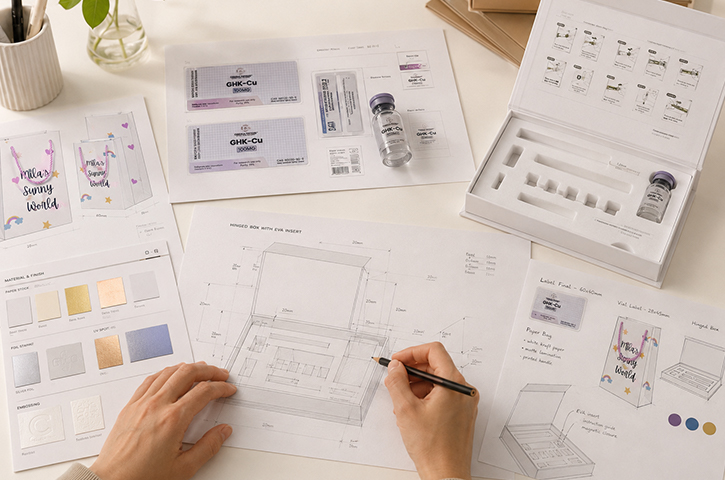
Client provides design files (AI/CDR/PDF) or design brief
Our design team can create designs from scratch if needed (free of charge)
Confirm dimensions, materials, and finishing options (hot stamping, UV coating, lamination, embossing, etc.)
Final design proof approval
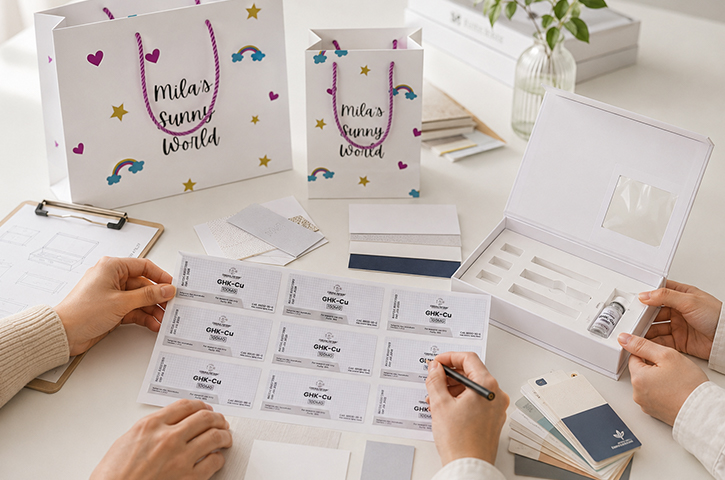
Produce physical samples based on approved designs
Client reviews samples for material feel, color accuracy, and finishing details
Adjustments made as needed until client satisfaction
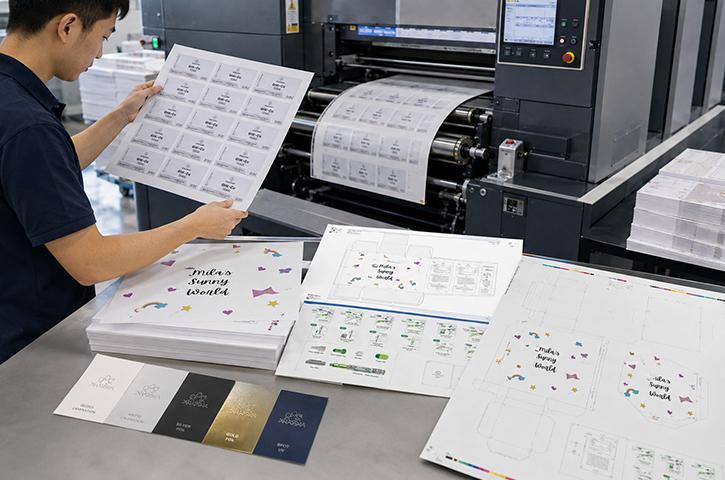
Raw material procurement and inspection
Printing (offset/flexo/screen/digital, selected by product type)
Surface finishing (lamination, varnishing, hot foil stamping, UV, etc.)
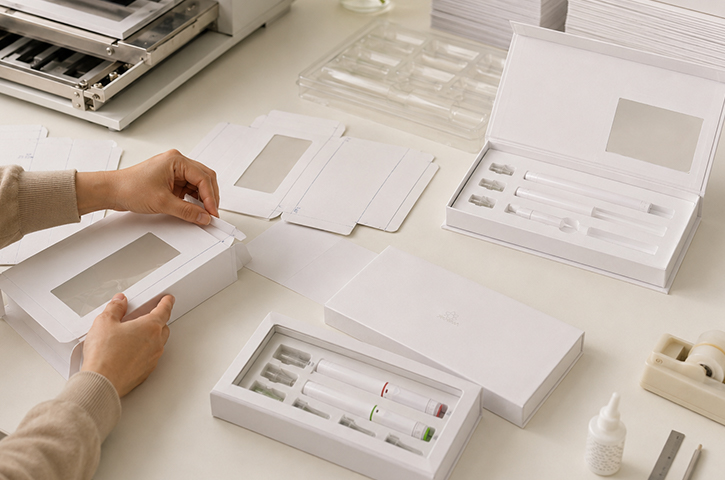
Die-cutting, creasing, and scoring
Box gluing, window patching, rope threading (for boxes)
Die-cutting and waste removal (for labels)
Thermoforming (for plastic trays)
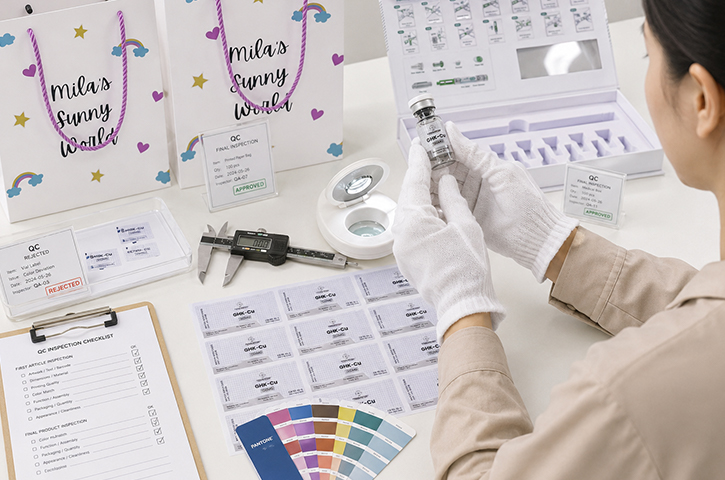
First-article inspection: verify quality before mass production
In-process random sampling
Final inspection per AQL standards
Non-conforming products isolated and handled
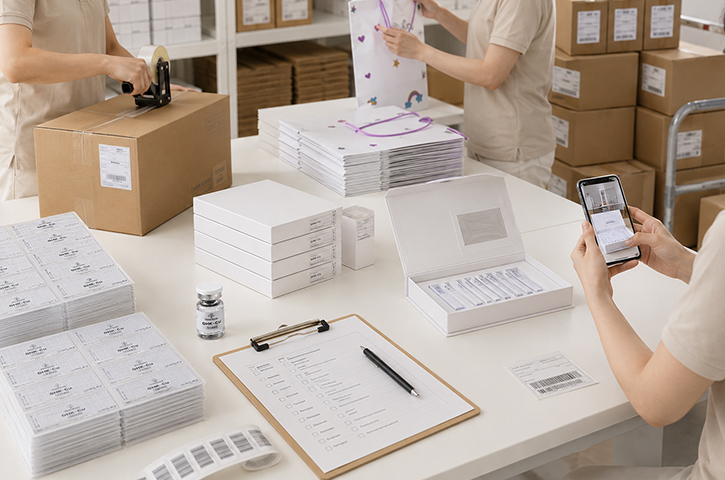
Inner and outer packaging per client specifications
Labeling and carton packing
Photo documentation
Logistics arrangement and shipment
